Functional Medicine vs Traditional Care: Which One Works Better for Chronic Conditions?
When it comes to long-term health struggles, many patients compare Functional Medicine vs Traditional Care to find what actually works for chronic conditions. Both approaches aim to improve health, but they differ in philosophy, diagnosis, and treatment style. This blog explains the differences with a chart, table, and structured headings so you can decide which approach fits your needs.
What Is Functional Medicine?
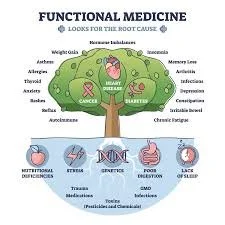
Functional medicine focuses on identifying root causes of chronic conditions using a whole-body, personalized approach. It evaluates gut health, hormones, nutrition, lifestyle, and environmental factors instead of treating only symptoms.
What Is Traditional Care?
Traditional care (conventional modern medicine) focuses on diagnosing diseases and treating symptoms using medication, surgeries, and standardized clinical methods.
Functional Medicine vs Traditional Care: Key Differences for Chronic Conditions
+---------------------------+---------------------------+---------------------------+
| Aspect | Functional Medicine | Traditional Care |
+---------------------------+---------------------------+---------------------------+
| Focus | Root cause, whole-body | Symptom relief, disease |
| | wellness | management |
+---------------------------+---------------------------+---------------------------+
| Approach | Personalized & preventive | Standardized & reactive |
+---------------------------+---------------------------+---------------------------+
| Best For | Chronic conditions, | Acute issues, emergencies |
| | lifestyle disorders | |
+---------------------------+---------------------------+---------------------------+
| Testing | Advanced functional labs | Basic diagnostic tests |
+---------------------------+---------------------------+---------------------------+
| Time with Patient | Long consultations | Short visits |
+---------------------------+---------------------------+---------------------------+
| Treatment Style | Diet, supplements, | Medications, surgery |
| | lifestyle plans | |
+---------------------------+---------------------------+---------------------------+
| Goal | Long-term healing & | Quick symptom control |
| | balance | |
+---------------------------+---------------------------+
Functional Medicine vs Traditional Care Effectiveness for Chronic Conditions
Effectiveness Score (0–10 Scale)
Chronic Condition Functional Medicine Traditional Care
---------------------------------------------------------------
Digestive Issues 9 6
Hormonal Imbalance 8.5 5.5
Autoimmune Disorders 8 5
Chronic Fatigue 9 4.5
Lifestyle Disorders 9 6
Functional medicine tends to offer better long-term results for chronic, lifestyle-based, or inflammatory issues because it treats root triggers, not just symptoms.
Why Functional Medicine Works Better for Many Chronic Conditions
1. It Finds the Root Cause
Chronic issues often start from hidden triggers like gut imbalance, deficiencies, inflammation, or hormonal disruption—functional medicine checks each one deeply.
2. Personalized Treatment Plans
Every patient receives a customized protocol covering:
Nutrition
Stress & sleep
Supplements
Detox plans
Lifestyle design
3. Long Consultations for Better Understanding
Functional medicine sessions typically last 45–90 minutes, unlike traditional care’s quick visits.
4. Works Best for Long-Term Issues
Conditions that improve significantly under functional medicine:
Thyroid issues
PCOS
Gut disorders
Chronic fatigue
Autoimmune conditions
Diabetes, hypertension (lifestyle-based)
When Traditional Care is Better
Best for Emergencies
Stroke, heart attack, accidents, infections.
Necessary for Acute Treatments
Antibiotics, surgeries, crisis care—functional medicine does not replace emergency medicine.
Functional Medicine vs Traditional Care: Which Should You Choose?
Choose Functional Medicine If:
You have symptoms lasting more than 3 months
Medications only give temporary relief
You want natural, root-cause based healing
Choose Traditional Care If:
You have an emergency
You need immediate symptom control
You require surgery or critical care
Conclusion — Which One Works Better for Chronic Conditions?
For long-term issues, Functional Medicine generally works better because it aims at correcting the underlying imbalance, not just masking symptoms. However, the best results often come from combining both approaches depending on the patient’s condition.